Every Stage of Billing on One Platform
Laboratory Revenue Cycle Management and Solutions
Keep laboratory revenue moving through connected eligibility, claims, reimbursement, denials, payment posting, and revenue intelligence working together inside one coordinated flow. Built specifically for high-volume laboratory billing environments, Quadax revenue cycle management solutions combine 30+ years of lab-specific expertise with the payer connectivity, visibility, and operational precision needed to maintain revenue momentum.

One Intelligent Platform to Keep Laboratory Revenue in Motion
Navigate laboratory billing complexity with intelligent technology and operational expertise built for labs, pathology groups, and high-volume diagnostic organizations. Keep reimbursement moving with a connected laboratory revenue cycle workflow that prevents eligibility gaps, authorization issues, denials, and delays.
Years of
Lab Billing Expertise
First-Pass
Clean Claim Rate
Active Payer Relationships
Staff with 10+ Years
Billing Experience
Choose the Revenue Cycle Model That Matches the Way Your Lab Operates
Run billing internally, extend your team with operational support, or transition revenue cycle operations completely through one connected laboratory billing ecosystem. Gain the flexibility to scale operations, improve reimbursement performance, and strengthen payer outcomes without sacrificing visibility or control.
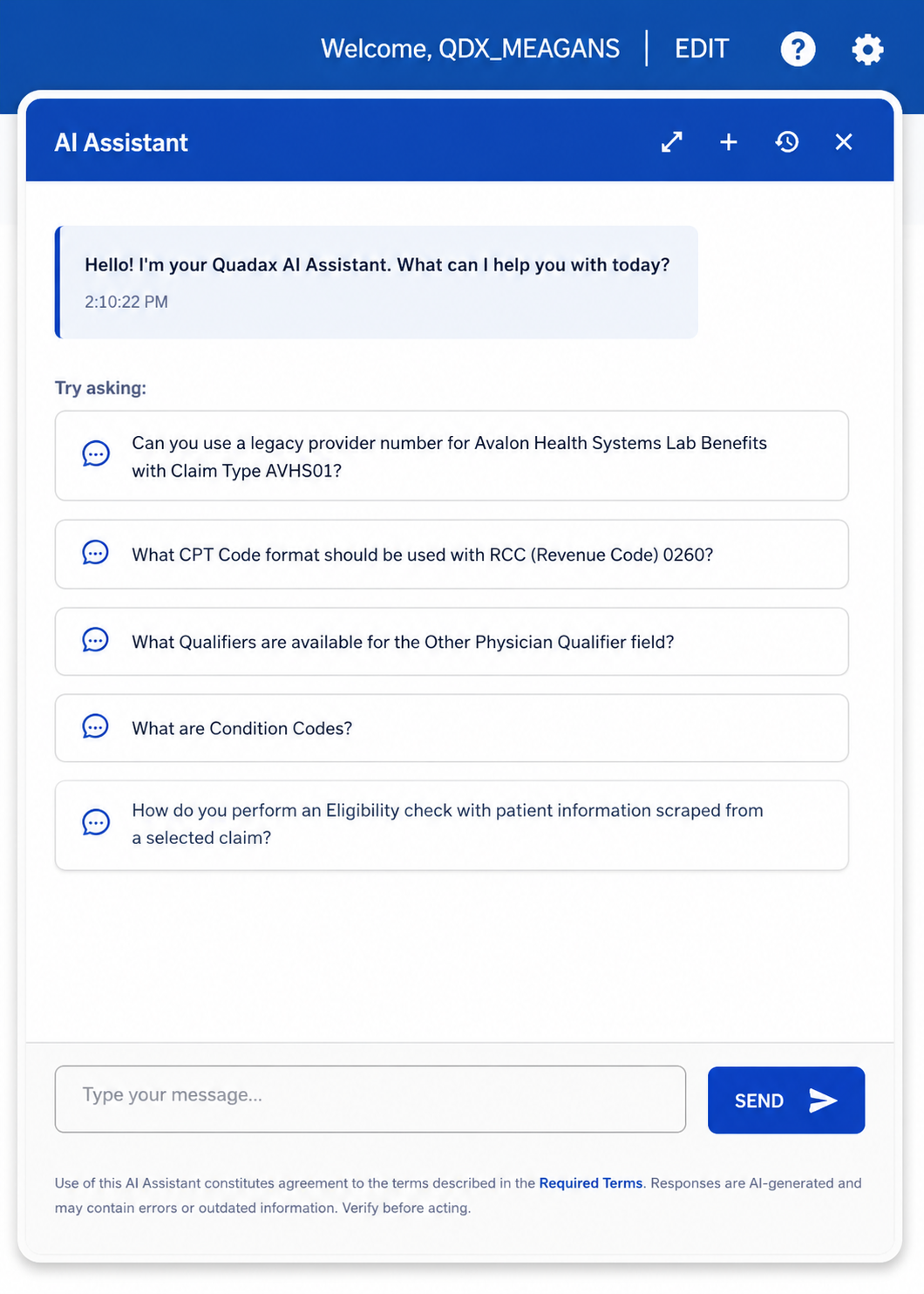
Laboratory Billing Software Built for Scale
SaaS / In-House
Connect eligibility, claims, payments, denials, and reporting through one secure laboratory revenue cycle platform. Reduce manual work, eliminate disconnected workflows, and improve reimbursement visibility across billing operations.
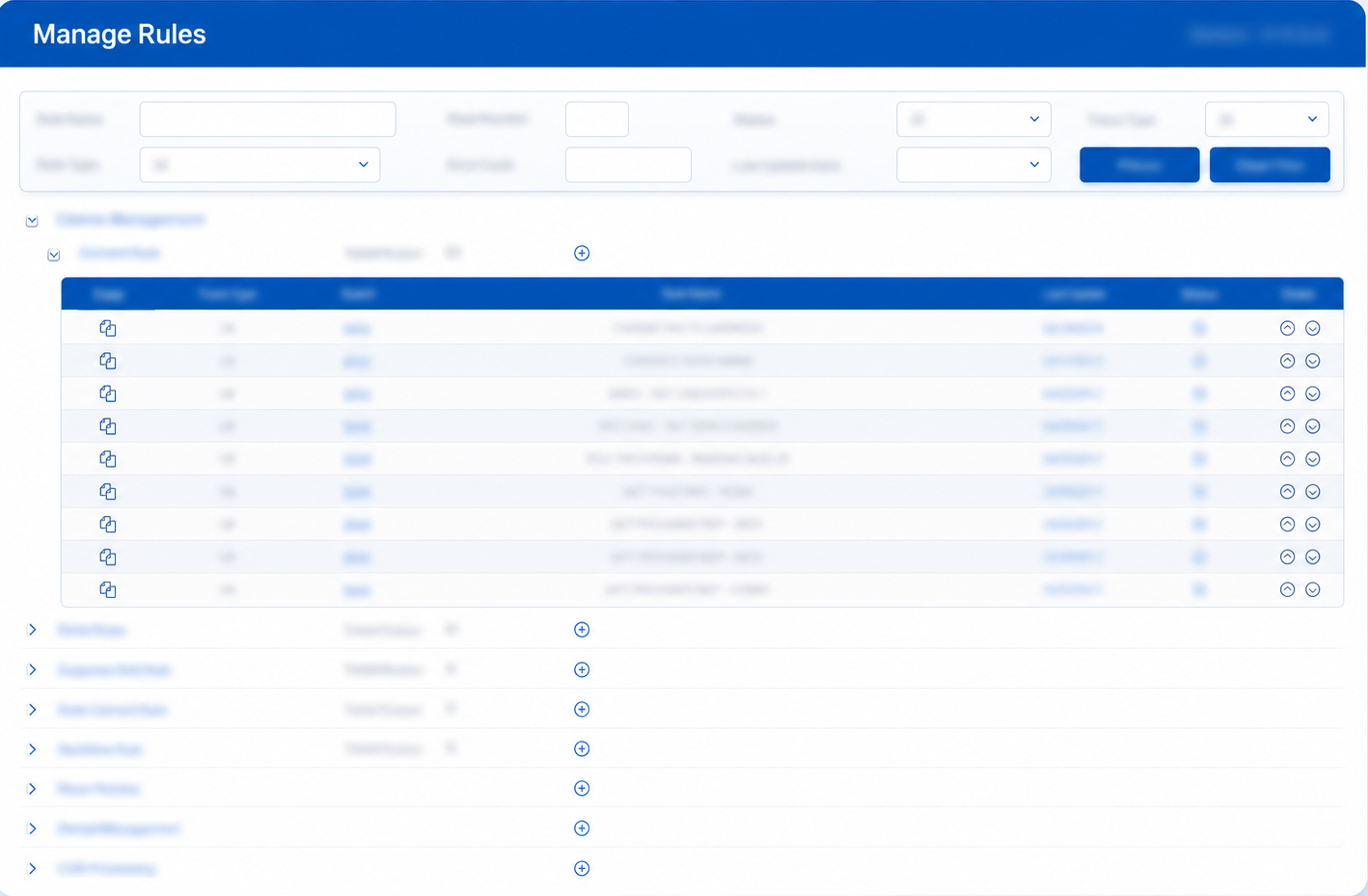
Full-Service Laboratory Billing Services
BPO / Outsourced
Extend operations with laboratory billing specialists experienced in payer workflows, denials, A/R services, pathology billing, and high-volume claims management. Improve reimbursement performance while reducing internal operational burden.
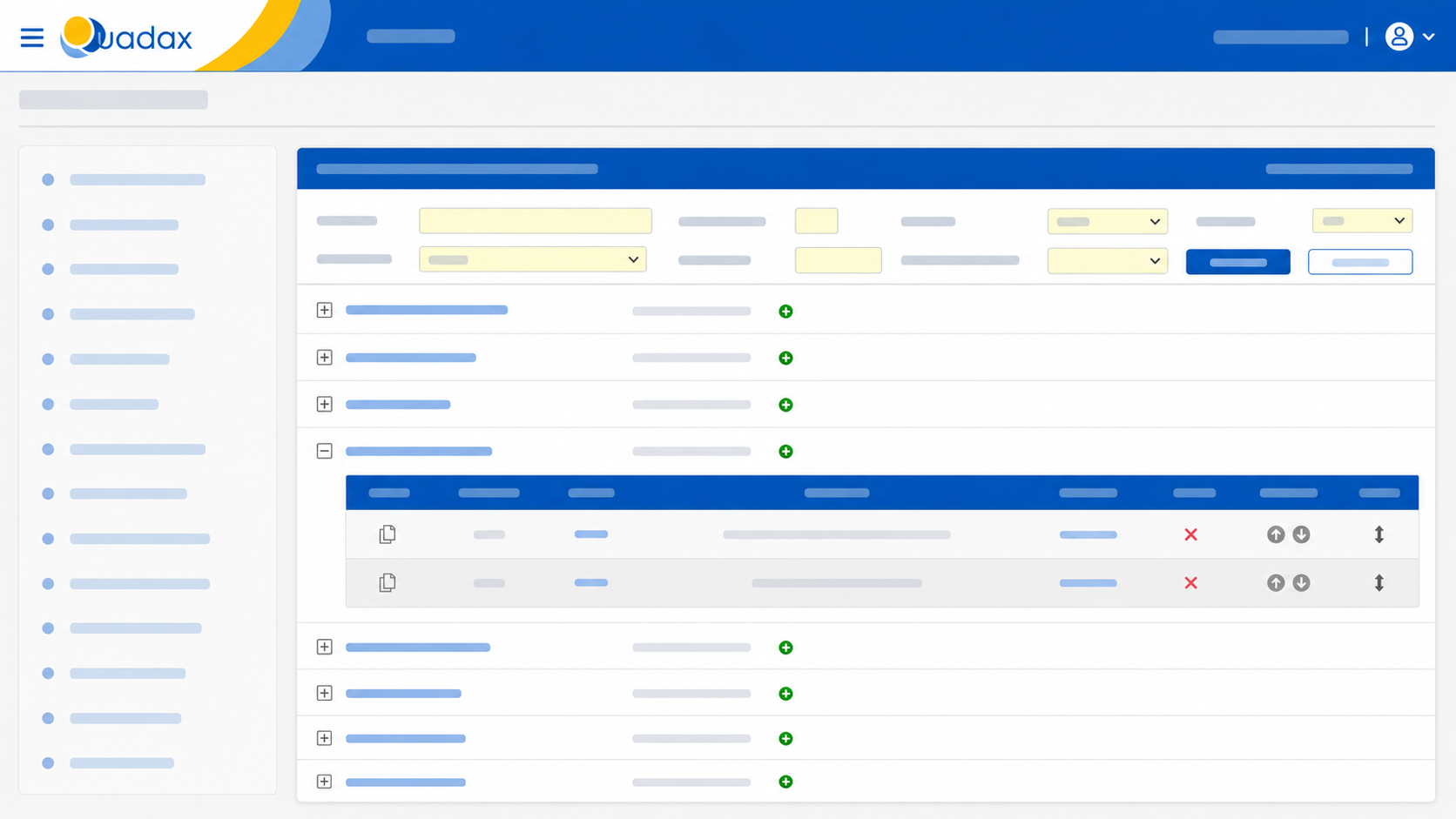
Flexible Laboratory Revenue Cycle Support
Hybrid
Maintain internal oversight while expanding operational capacity through connected RCM technology and experienced laboratory billing support. Close workflow gaps, scale faster, and keep revenue moving consistently.
Intelligence Built for Laboratory Revenue Complexity
Bring every stage of laboratory billing together on one modern platform designed to evolve with AI. Quadax is advancing AI-powered capabilities across the revenue cycle to reduce operational friction, strengthen visibility, and help teams act with greater speed and precision.


Connect Every Revenue Cycle Workflow Through One Coordinated Laboratory Billing Ecosystem
Reduce reimbursement delays, eliminate operational friction, and strengthen financial performance with connected revenue cycle solutions purpose-built for laboratory workflows. Deploy individual solutions independently or unify every workflow into one continuous revenue cycle operation designed to keep revenue moving forward.

Pre-Billing
Solutions
Verify eligibility, uncover hidden coverage, and prevent authorization gaps before claims reach the clearinghouse.
Billing & Claims Management Solutions
Manage ICV workflows, invoicing, patient statements, and print-and-mail operations through one connected billing system.

Reimbursement Management Solutions
Track reimbursement against contracted rates, identify underpayments faster, and improve visibility into payer performance.
Denial & Appeal Management
Capture denials automatically, prioritize appeals, attach documentation, and recover revenue before filing deadlines expire.

iQ: Intelligence by Quadax™
Transform billing and reimbursement data into actionable insight across denials, payer trends, and financial performance.

Patient Engagement Solutions
Extend billing operations with laboratory-trained support specialists and IVR services built for patient billing workflows.

A Partner Invested in Your Success
Protect laboratory revenue with a partner focused on client outcomes, not shareholder pressure. Backed by 50+ years of healthcare revenue cycle experience, 30+ years of laboratory billing expertise, and a connected operational infrastructure, Quadax helps laboratories navigate evolving payer requirements, reimbursement complexity, and denial pressure while proactively monitoring reimbursement performance, identifying disruptions early, and resolving issues before they impact financial results.
Support That Goes Beyond Service
Support goes beyond answering questions. Quadax proactively monitors performance, addresses challenges, and provides ongoing guidance through a dedicated team committed to helping your laboratory achieve its financial and operational goals.

“Quadax made transitioning our lab from in-house billing to their full-service offering an absolute breeze. We could not be happier with both the operational and financial improvements we have seen from partnering with Quadax.”
VP Finance, Streamline Scientific
“We were welcomed with open arms at Quadax corporate, where our team received really important training from subject matter experts on the systems and gained access to comprehensive documentation. This was something we did not receive from our prior RCM providers.”
President & COO, Lucid Diagnostics
“Your partnership has made every transition smoother than it could have been otherwise. Your responsiveness and collaboration have made a big difference, and I’m very grateful for all that you do.”
Billing Operations Specialist, BostonGene
Quadax Events
Find Us Where Healthcare Revenue Leaders Meet.
Meet Quadax at upcoming healthcare events where revenue cycle leaders come together to explore new ways to keep revenue moving. We’ll be sharing insights, connecting with healthcare organizations, and demonstrating how our technology, intelligence, and service help improve reimbursement performance across hospitals, laboratories, physician groups, and specialty providers.
Laboratory Resources



Close Revenue Gaps Before Reimbursement Slows Down
Strengthen laboratory billing operations, reduce denial pressure, improve reimbursement visibility, and keep revenue moving through connected workflows designed specifically for laboratory organizations navigating complex payer environments.